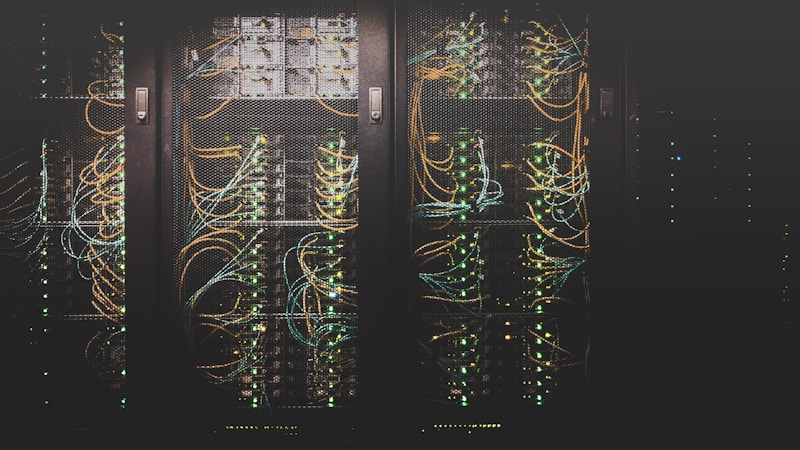
The Uptime Institute's Tier classification system is the industry standard for data center reliability. Here's what each tier means in practice for Israeli businesses.
When evaluating data center providers in Israel, the Tier classification system developed by the Uptime Institute provides a standardized framework for comparing facility reliability and redundancy. Understanding what these tiers mean in practice — and how they translate to real-world business impact — requires deeper analysis.
Tier I: Basic Capacity
Tier I facilities provide dedicated space, power, and cooling with a single path for power and cooling distribution. With a guaranteed uptime of 99.671%, businesses can expect approximately 28.8 hours of downtime per year. This tier is appropriate for non-critical workloads where cost is the primary consideration.
Tier III: Concurrently Maintainable
The most common tier among Israeli enterprise data centers, Tier III provides multiple independent distribution paths for power and cooling, with all components redundant and maintainable without shutting down the IT equipment. The 99.982% uptime guarantee means less than 1.6 hours of downtime per year.
Tier IV: Fault Tolerant
Tier IV facilities provide two simultaneously active power and cooling distribution paths, with all components fully redundant. The 99.995% uptime guarantee means less than 26 minutes of downtime per year. MedOne's flagship Tirat HaCarmel campus is Israel's premier Tier IV facility.