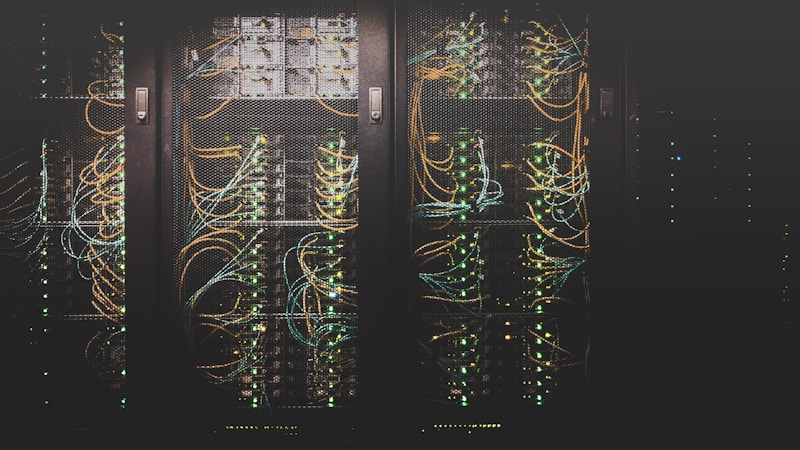
Israel's data center market is experiencing unprecedented growth, driven by cloud adoption, AI workloads, and the country's position as a global tech hub. Here's what buyers and investors need to know.
Israel's data center sector has emerged as one of the Middle East's most dynamic markets, with investment exceeding $2 billion in planned capacity additions through 2027. The country's unique position as a global technology innovation hub — home to over 500 multinational R&D centers — creates sustained demand for enterprise-grade colocation and cloud infrastructure.
Key Growth Drivers
The primary catalyst for market expansion is Israel's booming tech sector. With over 7,000 active startups and a per-capita venture capital investment rate that consistently ranks among the world's highest, demand for scalable, reliable data center capacity continues to outpace supply. Major hyperscalers including Microsoft Azure, Google Cloud, and AWS have all established or announced Israeli cloud regions, driving significant demand for carrier-neutral colocation.
Regulatory Tailwinds
The Israeli government's National Digital Strategy mandates that public sector organizations migrate critical workloads to certified local data centers by 2027, creating a substantial captive market for compliant facilities. The National Cyber Directorate's stringent requirements for critical infrastructure hosting have elevated security standards across the industry.
Infrastructure Investment
Several major projects are reshaping the landscape. The expansion of the IXP-IL internet exchange in Tel Aviv is enhancing connectivity options for colocation customers. New submarine cable landings on Israel's Mediterranean coast are improving international bandwidth capacity and reducing latency to European markets.